01
Resources & value creation
Strategic concept: proceeds from responsibly assessed resource projects should enable enduring value. Gold is a tool, never the destination.
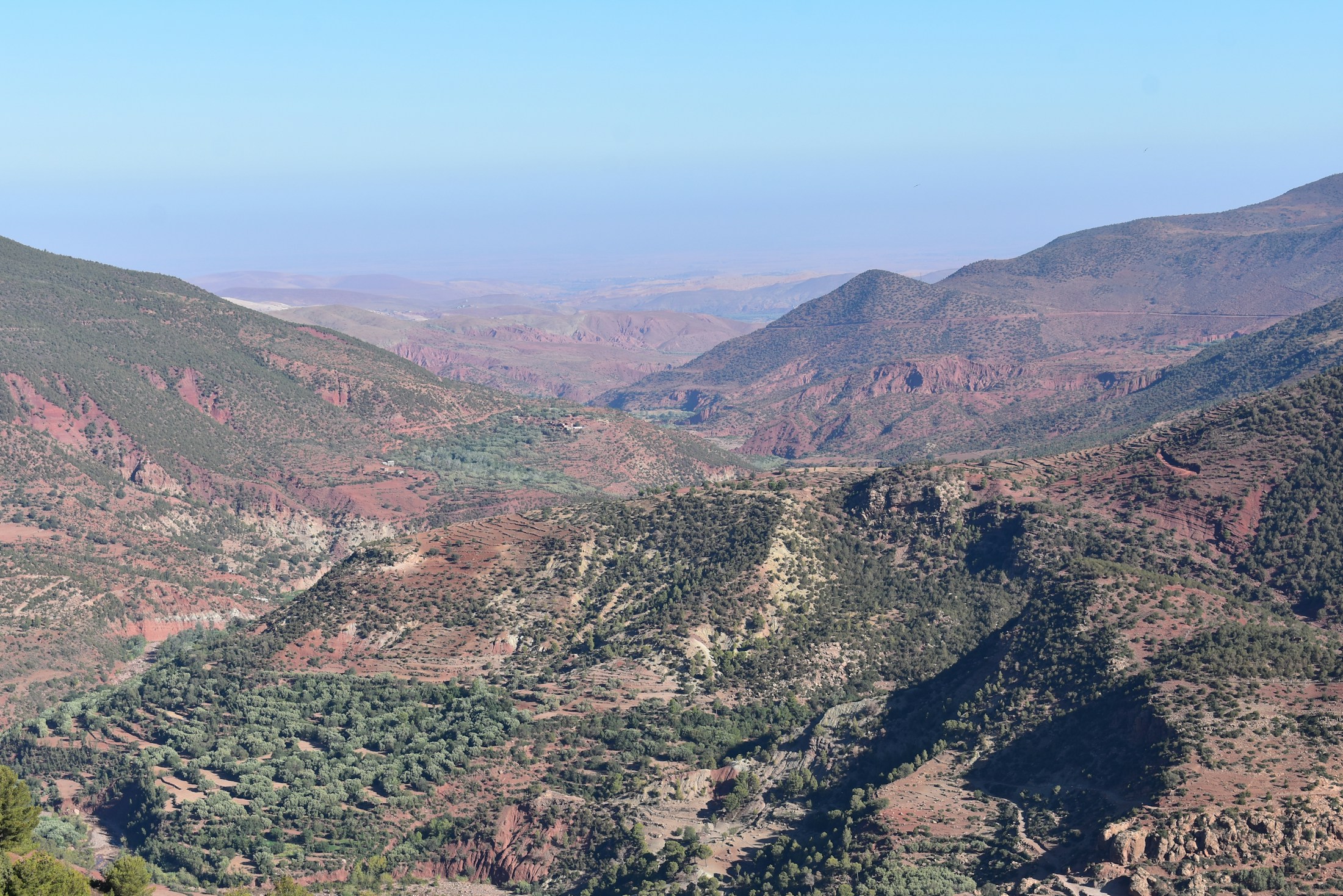
These initiatives form part of our vision. They are presented as project concepts; operational status or secured funding is not implied.
01
Strategic concept: proceeds from responsibly assessed resource projects should enable enduring value. Gold is a tool, never the destination.
02
A place for recreation, connection and local value creation is envisioned. Location, funding and implementation remain to be developed.
03
The vision includes a professionally managed, financially sustainable sanctuary rooted in local partnerships.
The original Atlas Helvetia concept envisages using value created from natural resources to build enduring assets. Gold may play a role as an economic tool. Any specific initiative requires robust assessment of provenance, rights, viability and its effects on people and the environment.
A concept becomes a responsible initiative only when its risks, funding and responsibilities are clear. The Masterbook describes the strategic direction; it does not replace a feasibility study or evidence that a particular project has been implemented.
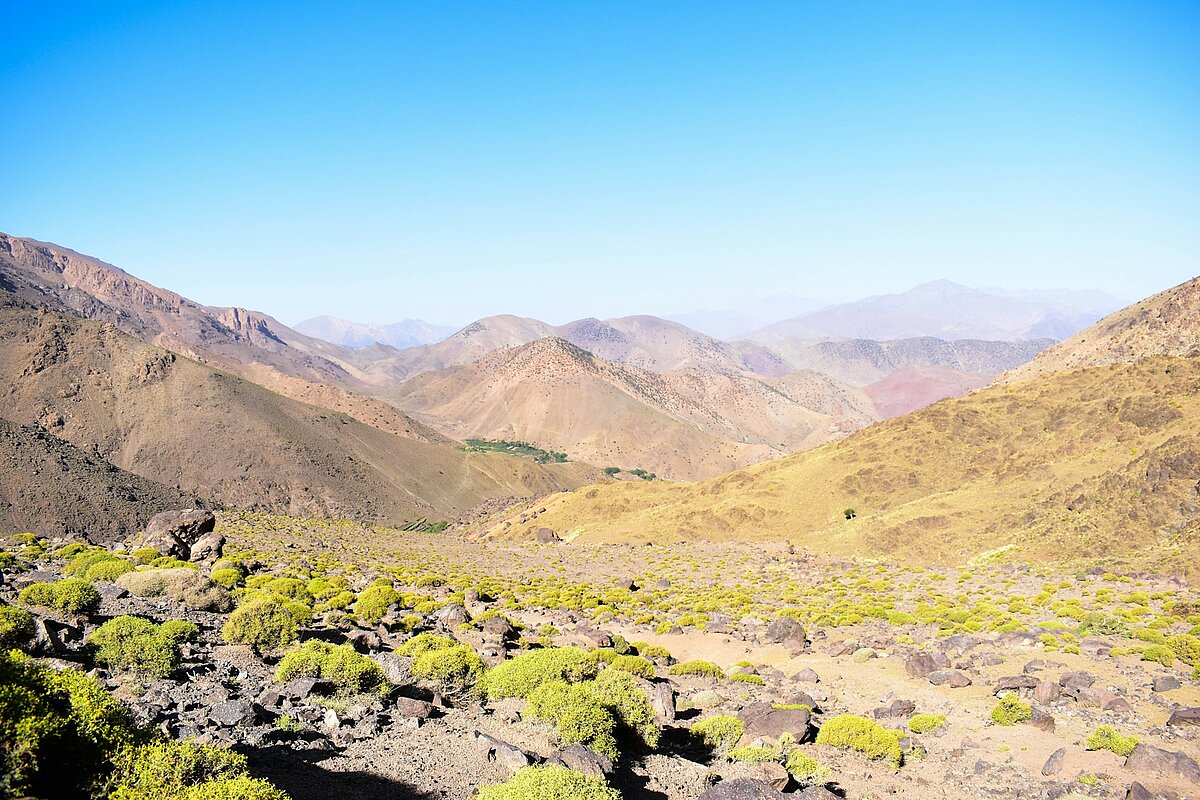
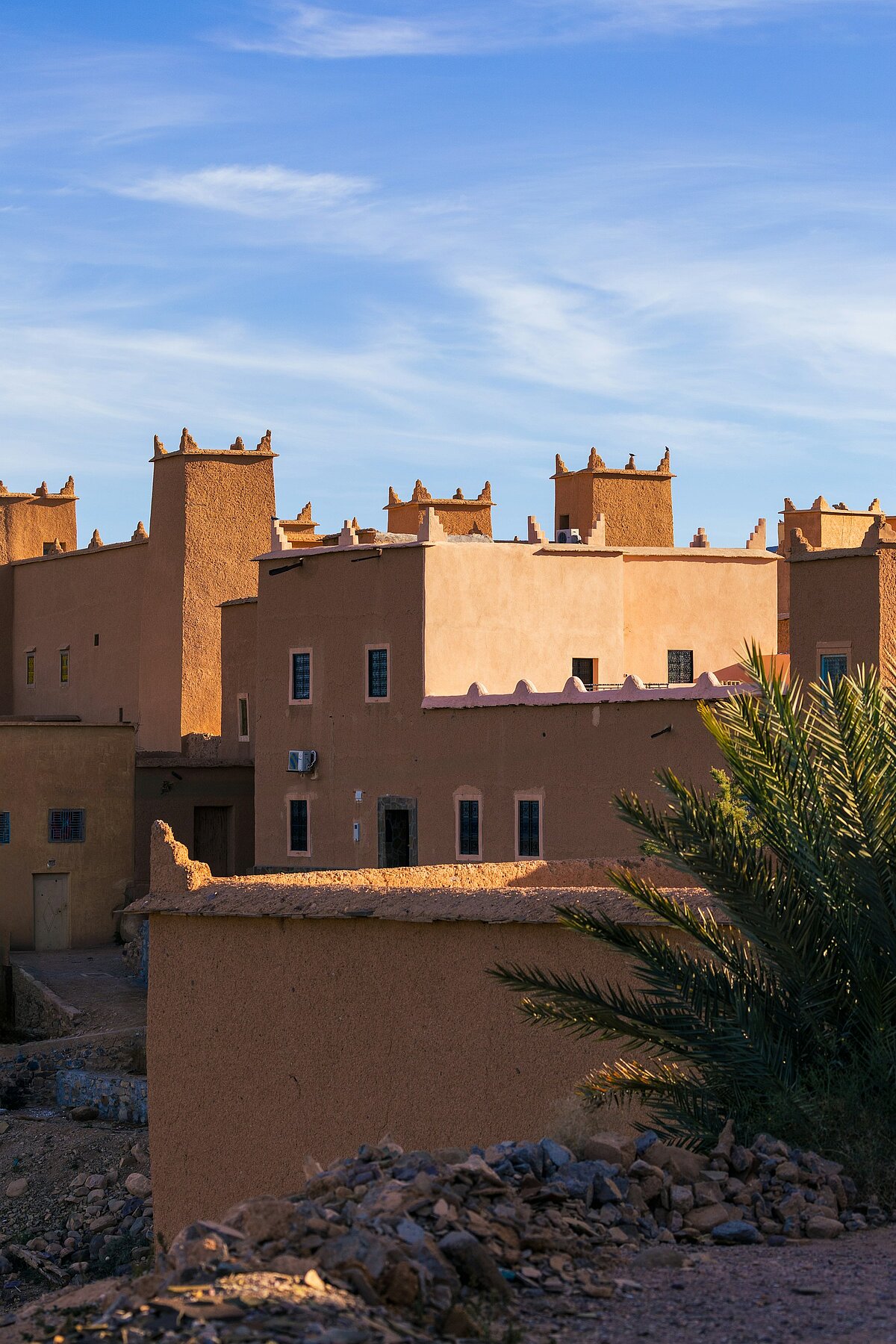
Imagine a place where a stay can be more than a brief interruption of everyday life. Somewhere with time for conversation, room for connection and a landscape to experience attentively. This is the idea behind a holiday village in Morocco.
For us, hospitality means welcoming people while respecting the place in which they are guests. That includes architecture and materials, careful use of water and energy, cooperation with local businesses and consideration of how value remains in the region.
A holiday village could connect real economic substance with human warmth. People could return, relationships could grow and a single journey could become a lasting connection. Its eventual form must emerge from location, feasibility and shared planning with suitable partners.
Today, the place is a project concept. Its future strength should lie in bringing the quality of a stay together with responsibility for its surroundings.
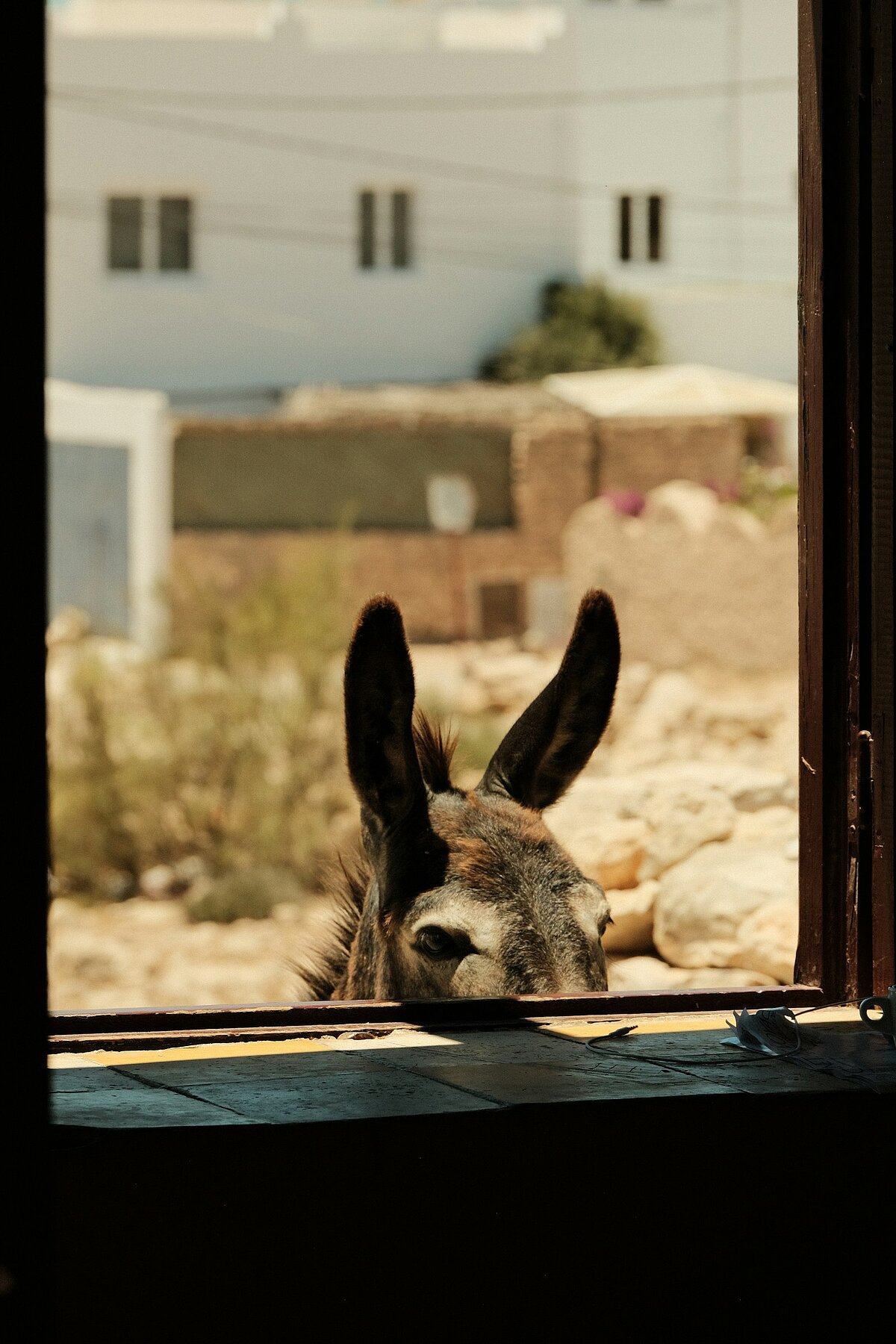
For an animal, safety means something concrete: water, food, a sheltered place and people who will be there again tomorrow. A sanctuary or shelter depends on this daily reliability. Quiet work behind the scenes determines whether good intentions become real care.
The Atlas Helvetia vision includes such a place of protection in Morocco. Animals should receive care suited to their needs. This requires suitable land, veterinary support, experienced carers and an organisation capable of carrying its responsibilities over time.
That responsibility has an economic side. Ongoing costs do not disappear when attention fades. We therefore want to consider animal welfare together with operations, capacity and long-term funding from the start. The number of animals accepted must fit the resources and facilities actually available.
The sanctuary remains a planned initiative. What should one day make it valuable is already clear: help that can be relied on, and a serious commitment to every life taken into care.
Every project concept needs a clear development process. The following questions describe our ambition for preparation; they do not imply that assessments have already been completed.
01
What are the local needs? Which natural, legal and economic conditions shape the initiative? Local knowledge and careful assessment come first.
02
What resources are needed for development, operation and maintenance? Funding must account for ongoing costs, risks and reserves. Good intentions do not replace sound calculations.
03
Who decides, who implements and who provides oversight? Clear roles, suitable partners and documented agreements are prerequisites for responsible next steps.
04
How can we tell whether an initiative serves its purpose? Economic development, resource use and local benefits should be assessed using suitable criteria.